
When to Go
Best Time to Visit Katakolon
Spring wildflowers, summer heat, autumn gold and quieter winter berths — timing shapes every Katakolon port day as much as your excursion choice.
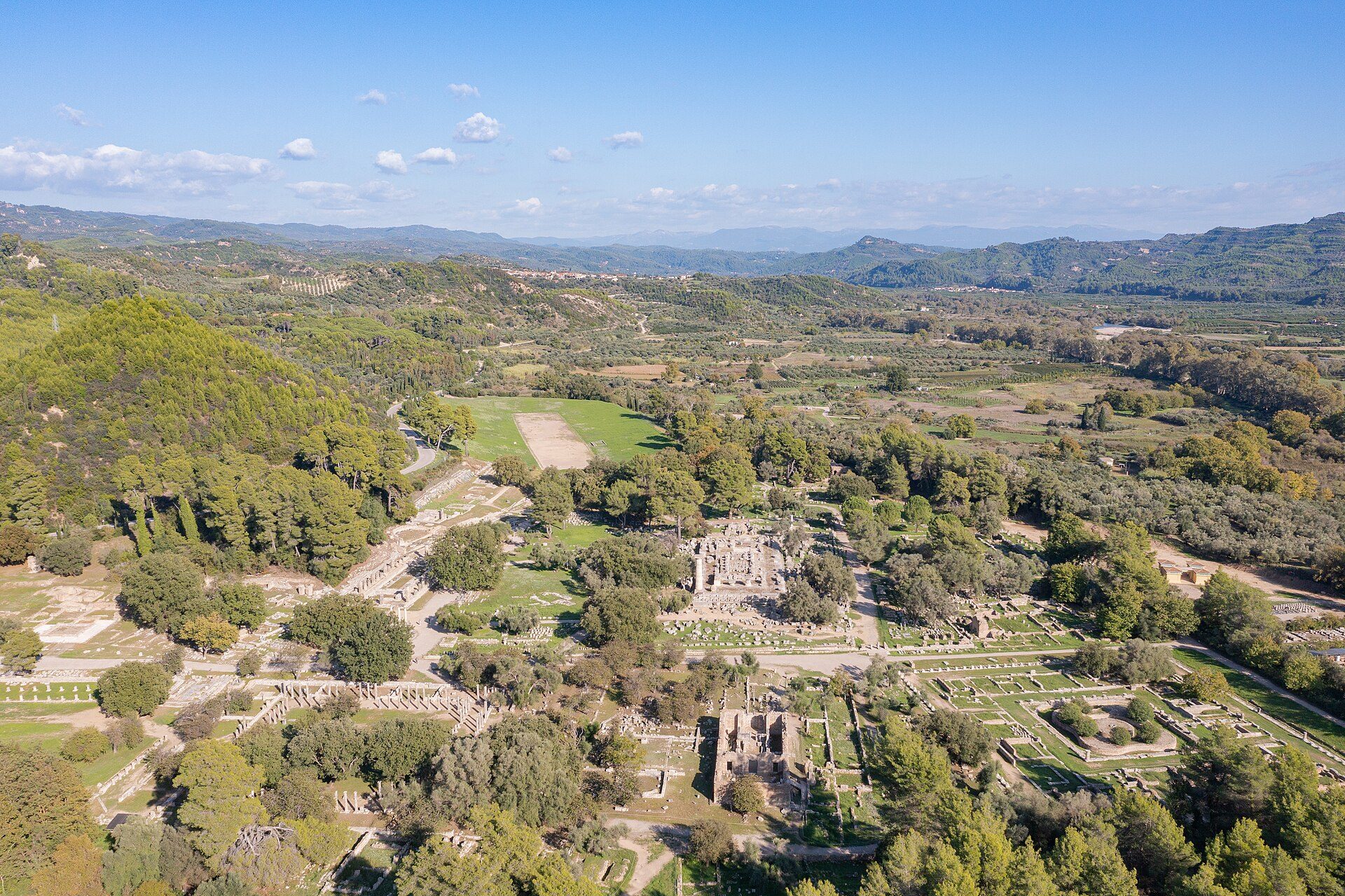
Katakolon receives cruise ships from April through November, with peak volume June–September when Mediterranean itineraries run fullest. Ancient Olympia is open year-round, but summer temperatures on exposed ruins regularly exceed 35°C. Shoulder seasons offer the best balance of warmth, manageable crowds and comfortable walking. Your specific ship's arrival month matters as much as generic climate charts — this guide maps both.
April and May bring green hills, wildflowers and temperatures in the low twenties Celsius — ideal for Olympia walking without brutal sun. Crowds build from late May as schools break across Europe. June through August guarantee hot, dry days and the busiest coach convoys at the sanctuary gates. Morning departures become essential; the Archaeological Museum's air conditioning is strategic, not optional.
September and October remain warm enough for swimming at Kourouta beach while thinning cruise traffic slightly after peak summer. Olive harvest begins in autumn — a sensory bonus on oil-focused excursions. November calls are cooler and quieter; some tavernas reduce hours, but ruins remain accessible with layers and rain jackets handy.
Winter cruise calls are rare but occur on repositioning or specialty itineraries. Short daylight and rain possible — pack accordingly. Regardless of month, dual-ship days compress Katakolon lanes and Olympia parking; check scheduled callers online when planning independent travel.
Month-by-month cruise passenger snapshot
| Period | Weather | Crowds | Verdict |
|---|---|---|---|
| Apr–May | Mild, green | Moderate | Excellent |
| Jun–Aug | Hot, dry | High | Good with early starts |
| Sep–Oct | Warm, golden | Moderate | Excellent |
| Nov | Cooler, some rain | Lower | Good for ruins, less beach |
| Dec–Mar | Cool, variable | Low | Rare cruise calls |
Seasonal priorities — Olympia vs village
| Season | Olympia | Katakolon village/beach |
|---|---|---|
| Spring | Ideal walking weather | Pleasant harbour strolls |
| Summer | Morning only; heat risk | Beach adds value |
| Autumn | Comfortable all day | Harvest flavours peak |
| Winter | Mild ruins, cool breeze | Quiet dining |
Highlights
- April–May and September–October sweet spots
- Summer morning Olympia departures essential
- Autumn olive harvest season
- Dual-ship crowd patterns in peak summer
- Year-round museum refuge from heat or rain
Tips for cruise passengers
- Book morning Olympia tours June–August
- Carry sun protection March through October
- Check if your date has multiple ships in port
- Shoulder season may offer better excursion availability
- Winter visitors — confirm taverna hours in advance
Prefer a guided tour?
Katakolon Scenic Tour
Olive terraces, fishing coves and Ionian light — the coastline that frames Katakolon without the Olympia inland rush.
Need help choosing?
Tell us your ship and interests
We match Katakolon shore excursions to your port window with honest return-to-ship advice — Ancient Olympia, village and Peloponnese food.
Best Time to Visit Katakolon — FAQs
What is the best month for a Katakolon cruise call?▼
April–May and September–October offer the best mix of comfortable temperatures and manageable crowds for Olympia and village days alike.
Is August too hot for Ancient Olympia?▼
Not if you tour in the morning and use the museum at midday. Afternoon-only ruins visits in August are uncomfortable and sometimes risky for heat-sensitive passengers.
When is Katakolon busiest?▼
July and August, especially when two large ships share the port on the same day. Disembark early or book morning excursions.
Does Olympia close in winter?▼
The site operates year-round with reduced winter hours. Confirm current schedules before a winter or shoulder-season call.
Is swimming possible on autumn cruises?▼
Often yes in September and early October when sea temperatures remain warm. November depends on personal tolerance for cooler water.